How the Tachi Yokut Tribe Connects Environmental Protection and Code Enforcement
Summary
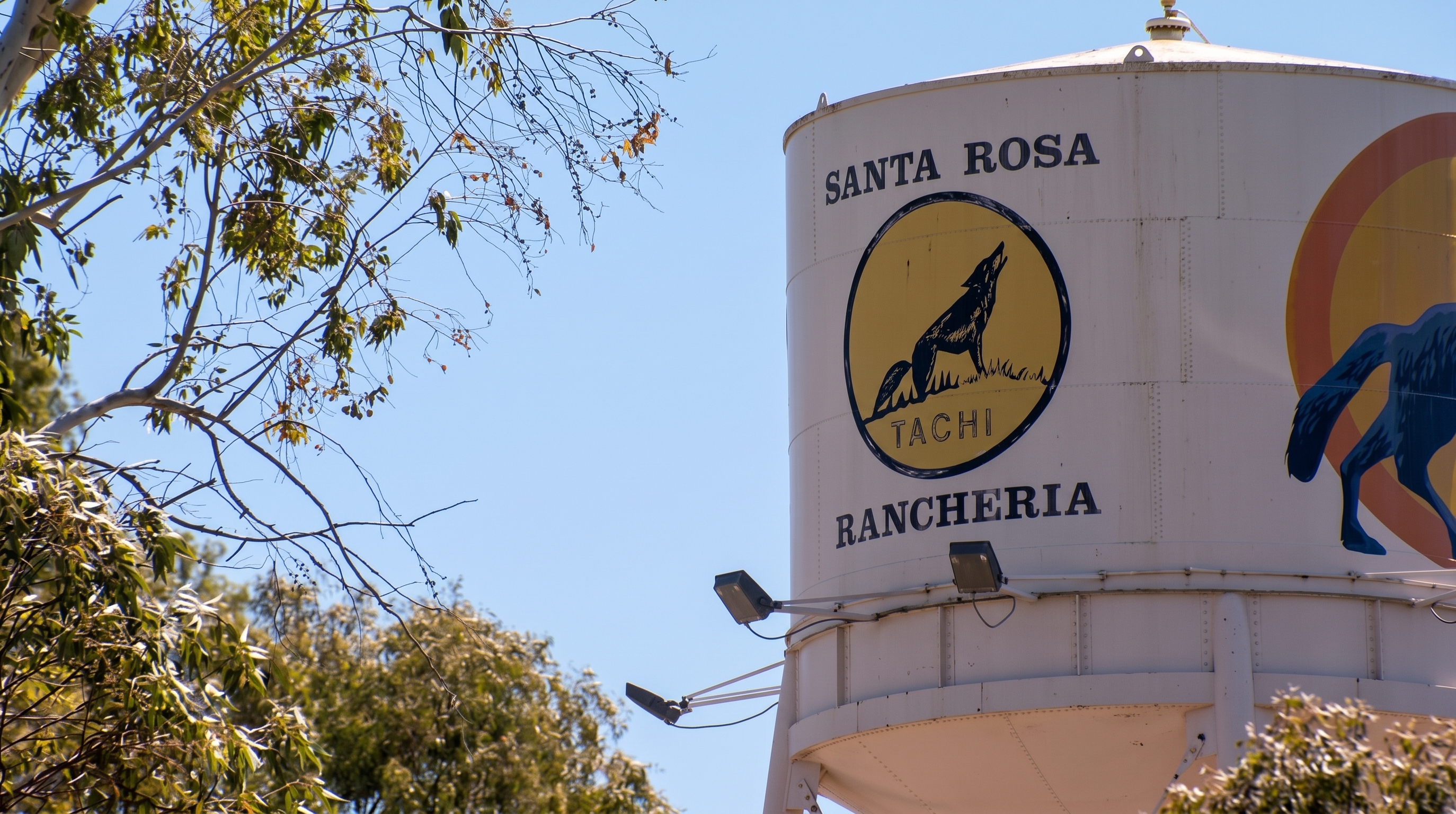
For the Santa Rosa Rancheria Tachi Yokut Tribe in California, code enforcement extends far beyond property maintenance. It is a way to protect tribal lands, wildlife, and cultural resources. At the 2026 Forerunner Summit, Damion Cuara, an Environmental Specialist with the Tribe’s Environmental Protection Agency, shared how his team uses digital tools to connect field inspections, environmental management, and community engagement.
Raised in the tribal community, Cuara has spent 13 years serving the Tribe. His team investigates illegal dumping, manages brownfields, monitors water quality and natural resources, and responds to community concerns. As Cuara explained at the Summit, “Environment creates culture and culture creates environment.” Protecting the land means preserving the traditions, plants, and wildlife that have sustained the community for generations.
For the Tribe, environmental protection requires understanding how violations affect both the ecosystem and the community’s cultural heritage. Illegal dumping, for example, can damage habitats, threaten water quality, and disturb culturally significant plants and protected species. Addressing these issues requires reliable documentation and a way to identify patterns, understand local conditions, and determine where further attention is needed.
Connecting fieldwork and records
Before adopting Forerunner, staff relied on paper forms, phone complaints, photographs, and messages to document their work. Inspections often took place in remote areas without reliable cell service, leaving employees to complete paperwork after returning to the office. With information scattered across multiple formats, retrieving records and coordinating responses became increasingly difficult.
Since adopting Forerunner in fall 2025, staff have been able to capture inspection details, photographs, GPS locations, and notes directly in digital forms. Cuara can review submissions and coach staff remotely, while tribal council members and public safety partners can access relevant information without waiting for employees to return to the office.
These workflows also support the Tribe’s emphasis on education and compliance. Through an online portal, residents can submit requests and report environmental concerns, allowing staff to review, assign, and track issues through resolution. The Tribe also shares selected updates about brownfield work and wildlife surveys, helping residents understand its environmental efforts.
Using maps to see the full picture
During his Summit demonstration, Cuara showed how Forerunner brings property histories, past inspection photographs, and illegal dumping locations together on a shared map. By identifying patterns in dumping activity, including incidents at sites accessible only by rough dirt roads, staff can make more informed decisions about where to place trail cameras and focus monitoring efforts.
Custom map layers add another level of context, displaying wetlands, nesting buffers, burrowing owl habitat, saltgrass, and sightings of protected species. This information helps staff assess whether violations could affect sensitive habitats or traditional gathering areas. To protect wildlife from poaching, the Tribe restricts public access to sensitive species locations, while other geographic information can help community members locate traditional plants for gathering.
Shared records also help the Tribe coordinate with neighboring jurisdictions. Cuara described an intersection where tribal land meets a county-maintained public easement. Mobile food vendors operate along the narrow, busy road, where pedestrians and vehicles have been struck. By documenting conditions in Forerunner, the Tribe can give county partners a clearer understanding of the situation and coordinate a response, supporting community safety while strengthening relationships with neighboring agencies.
Measurable improvements, more time for the mission
Since adopting Forerunner, the Tribe has reported a 70% improvement in data accuracy and an 80% reduction in overall work time. Inspections that once took two to three hours now take less than 30 minutes, while report turnaround has dropped from approximately two weeks to two or three days.
With less time spent transcribing notes and organizing paperwork, staff can devote more attention to fieldwork and environmental protection. Centralized records also help tribal council members track progress and give staff better information for making decisions.
For Cuara, technology is most valuable when it supports the way a community works. By connecting inspections, environmental data, and community requests, the Tribe has created a clearer picture of its responsibilities and a more coordinated approach to addressing them. Forerunner helps the team document its work, protect natural resources, and preserve the cultural connections that make the land meaningful.
Watch the session here:
FAQ
Ready to see how Forerunner can support your community?
Book a demo